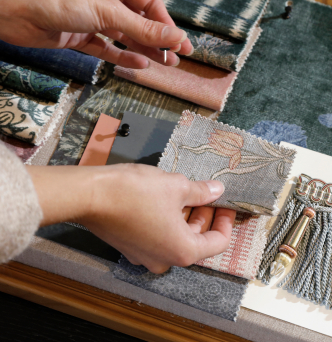
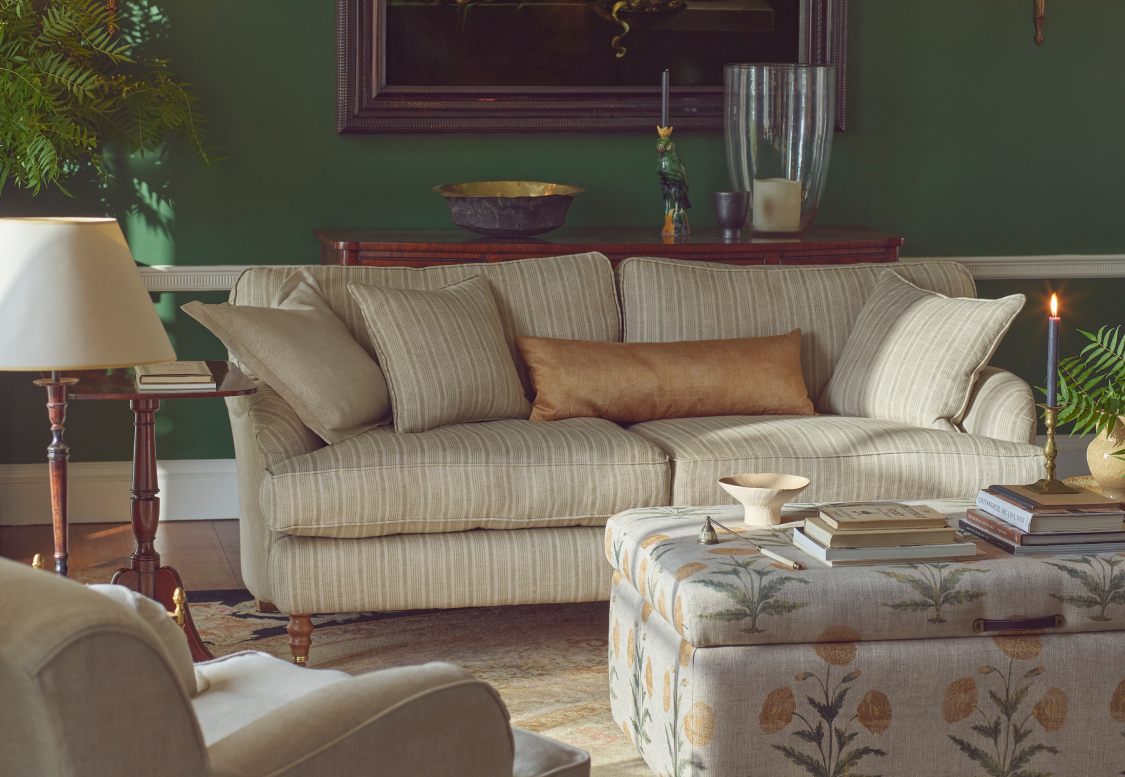
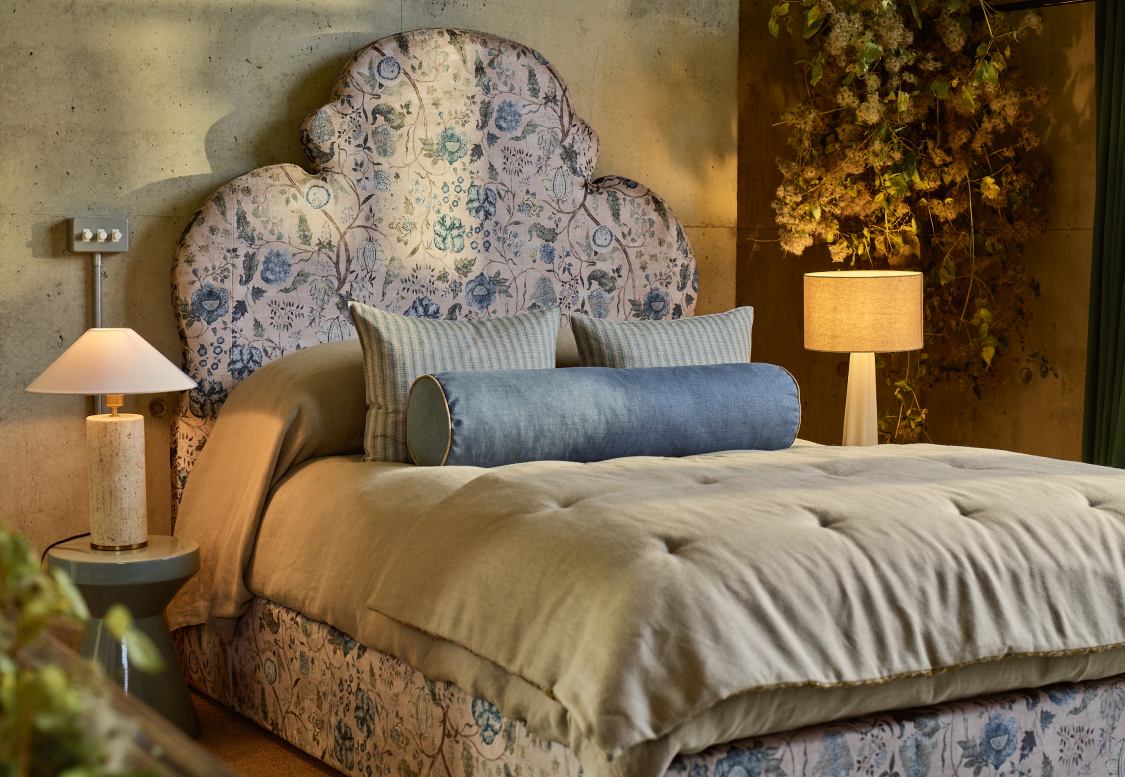
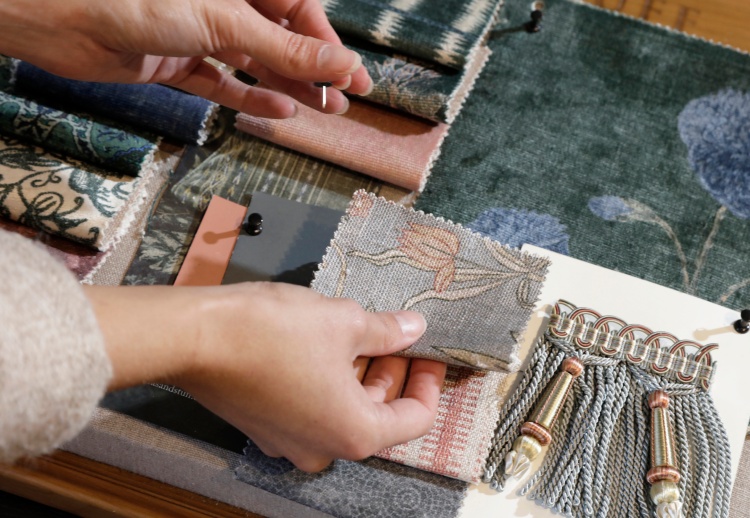
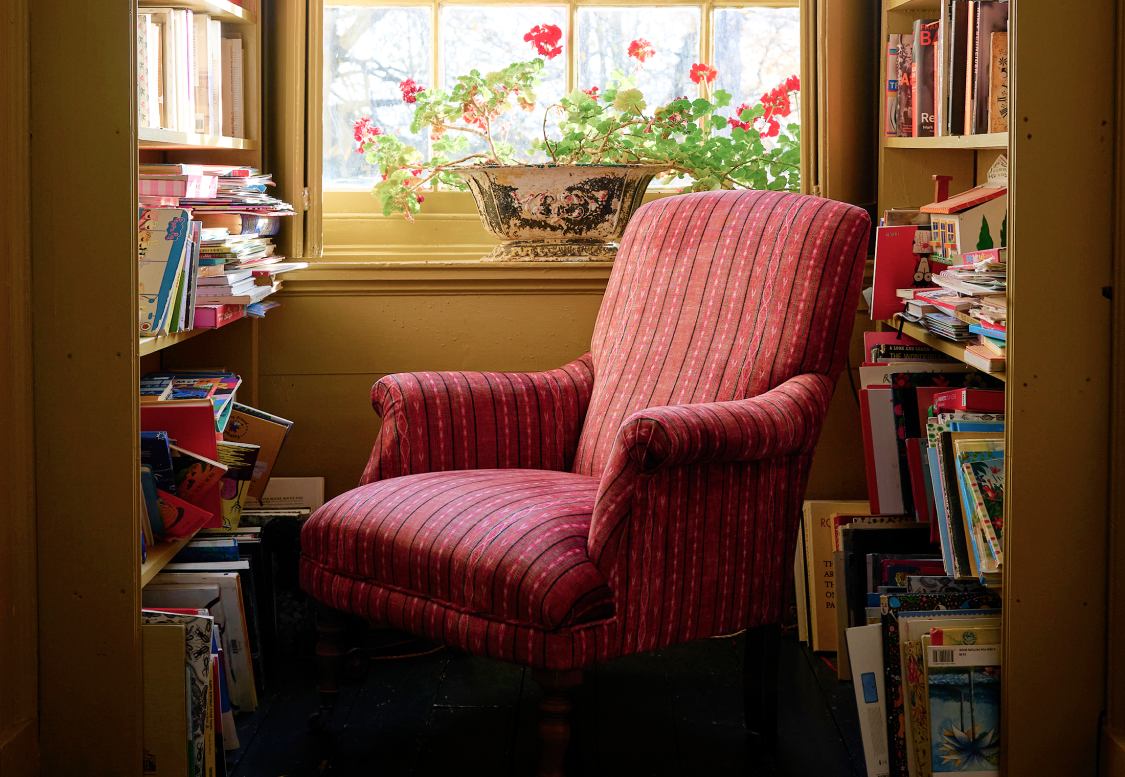
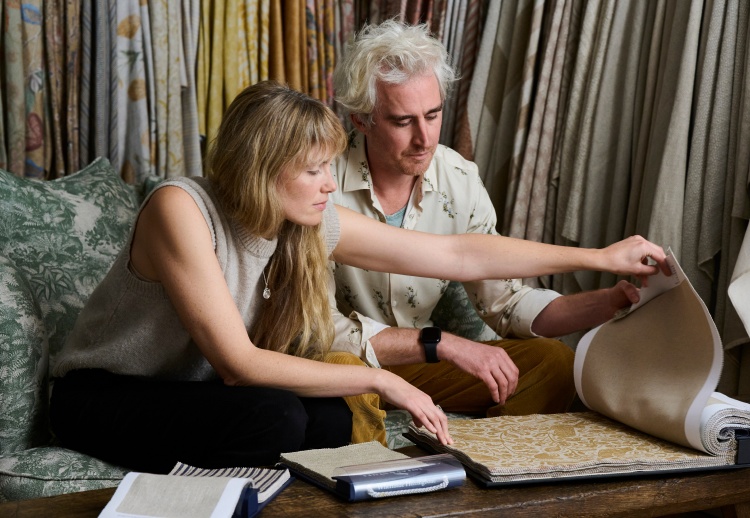
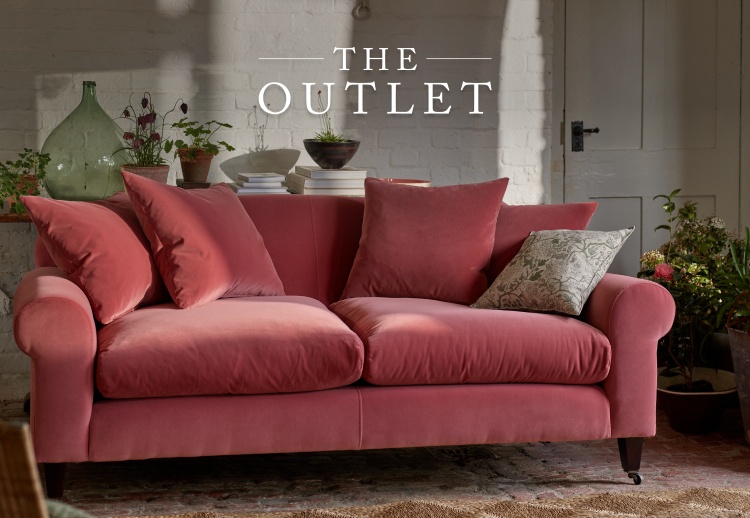

Earlier this spring, we opened the doors to our new showroom on Upper Street, Islington - a welcoming space in north London for exploring our made-to-order furniture and fabric collections, with a dedicated fabric library downstairs for working through schemes and ideas in more detail.
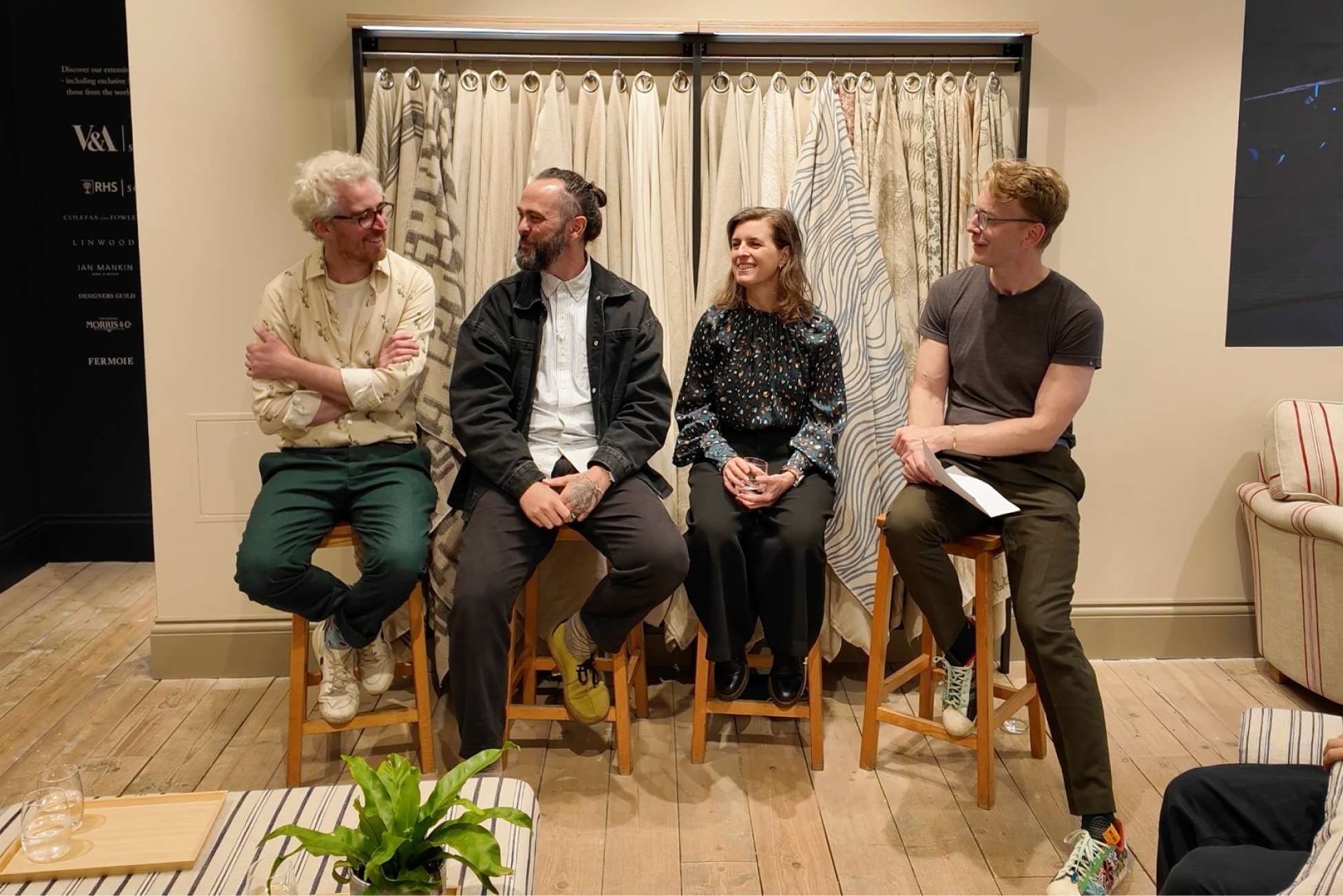
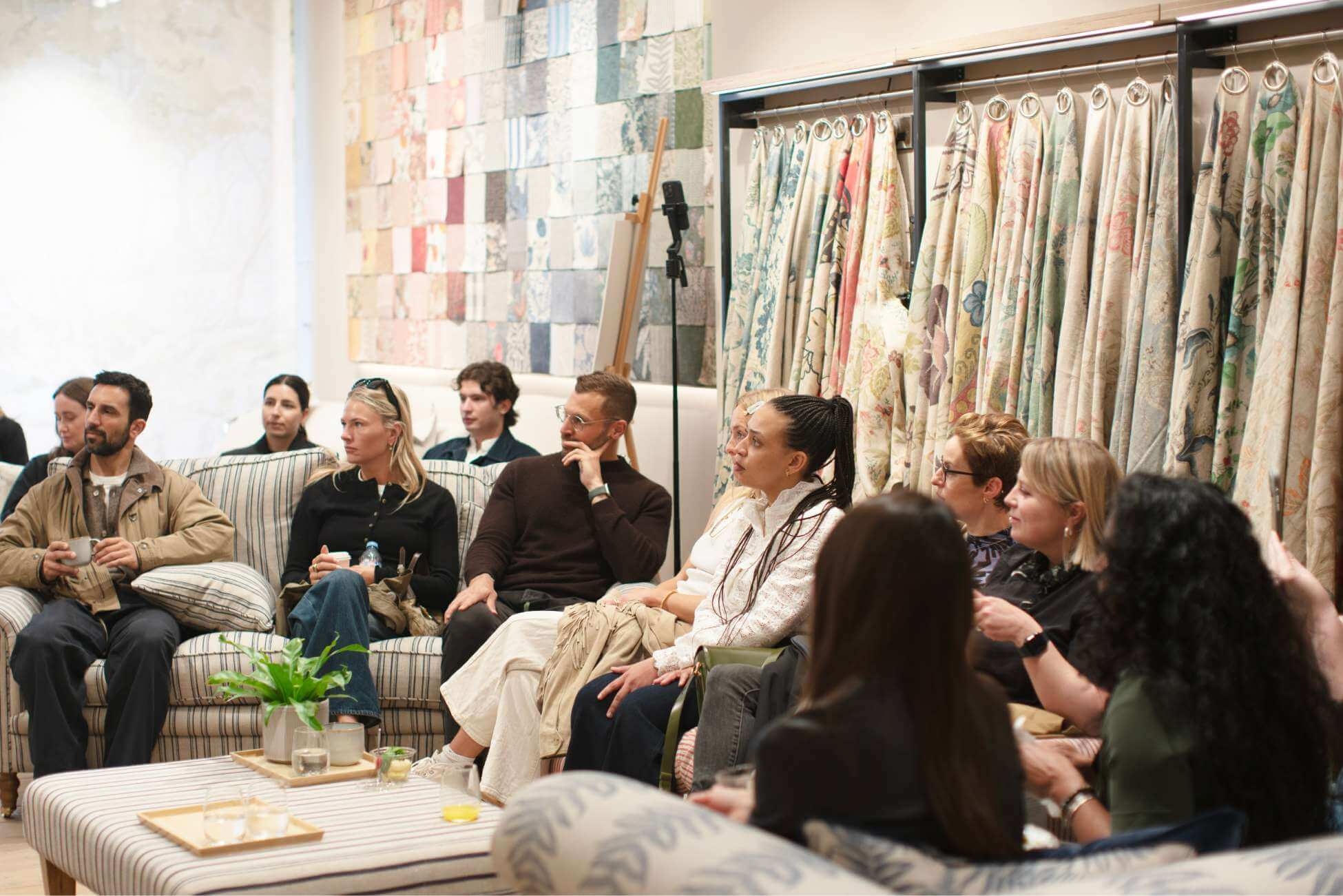
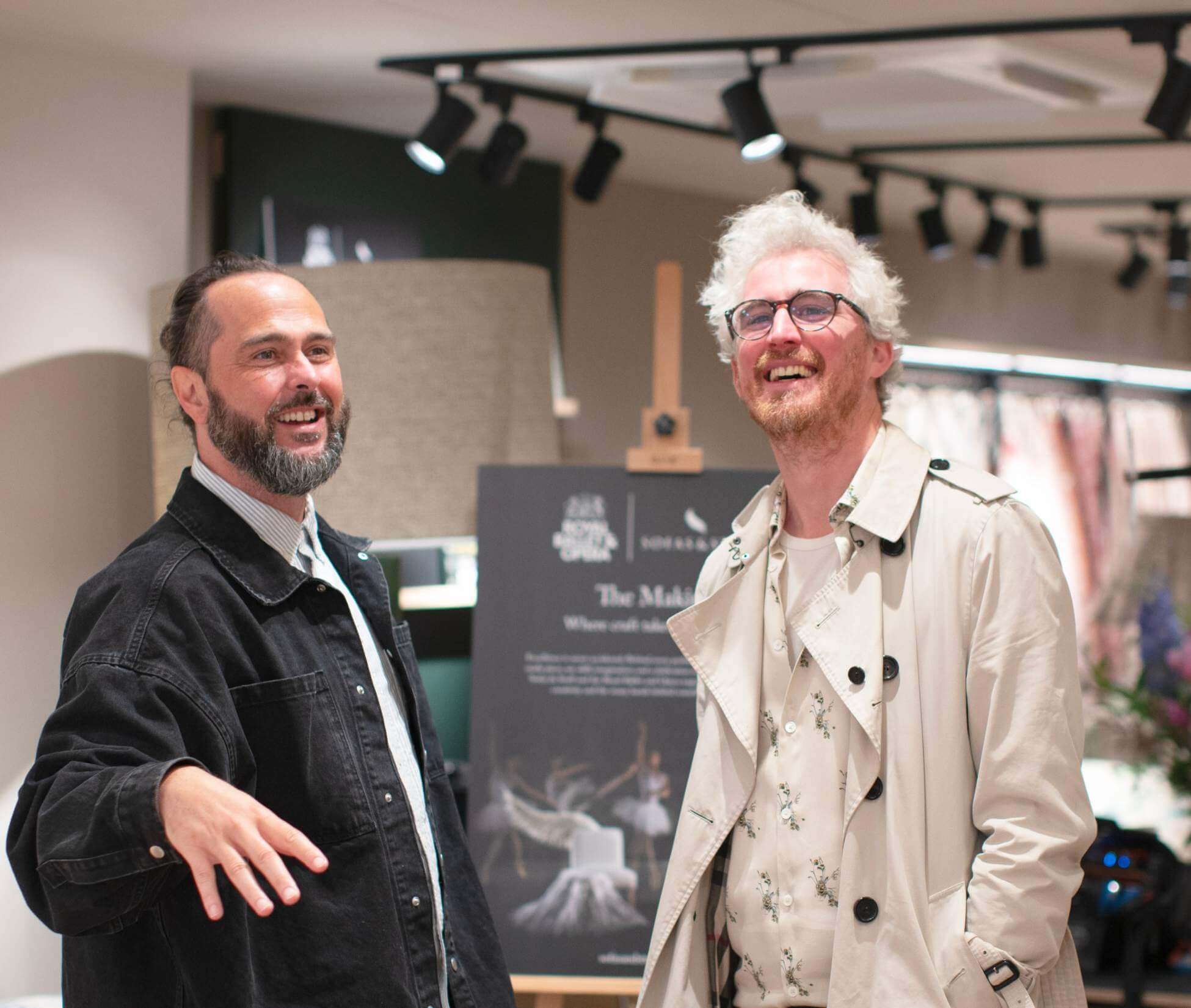
To mark the opening, we welcomed a group of interior designers to a breakfast conversation led by Livingetc Editor Pip Rich. Inspired by the connections between performance, making and design that sit at the heart of our partnership with the Royal Ballet and Opera, the discussion explored the detail, discipline and dedication behind creative work, bringing together Ricky Partner, Chief Marketing Officer at Sofas & Stuff, Sophie Wybrew-Bond, Chief Commercial Officer at the Royal Ballet and Opera, and Jeremy Brown, founder of Feldspar, the British design studio known for its handcrafted ceramics and wooden furniture. The conversation took place amongst the sofas and fabrics of the new showroom, with guests gathered between displays before taking their seats for the discussion.
Perfection versus excellence
The morning opened with a deceptively simple question: what does it mean to strive for perfection?
In his answer, Ricky drew a useful distinction.
"I never strive for perfection because I don't think it's possible. But I strive for excellence every day."
Perfection, the panel suggested, is an elusive goal. Excellence feels more tangible - less a fixed end point than something pursued through continual refinement, learning and improvement.
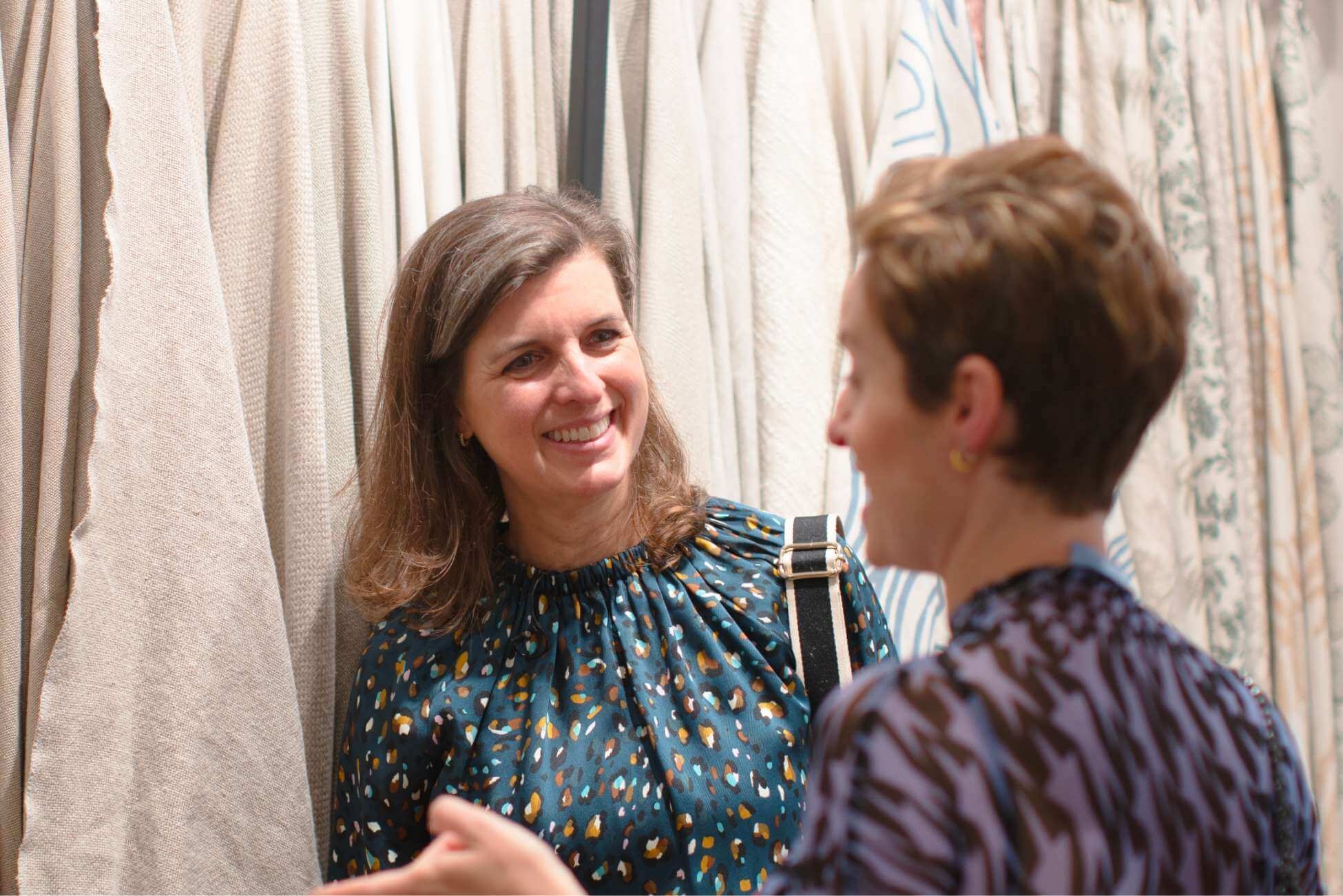
For Sophie Wybrew-Bond, whose role at Royal Ballet and Opera places her close to some of the world's most accomplished performers, growth depends on a willingness to remain slightly uncomfortable. Progress, whether in ballet, opera or business, requires a readiness to embrace challenge, receive feedback and keep developing long after the basics have been mastered.
Jeremy Brown approached the question from another angle. As both a maker and co-founder of Feldspar, he reflected on the importance of remaining curious and resisting the pressure to become overly fixed in one way of thinking or making. Rather than seeing expertise as a destination, he suggested that creative work remains most rewarding when there is still space to experiment, question assumptions and try new approaches.
One of the most memorable comments of the morning came when he described how much he enjoys being "an amateur", having come to ceramics through experimentation rather than formal training - not because he lacks expertise, but because it preserves a sense of curiosity and possibility.
The work behind the work
One of Pip Rich's most interesting lines of questioning explored what audiences, customers and clients never see.
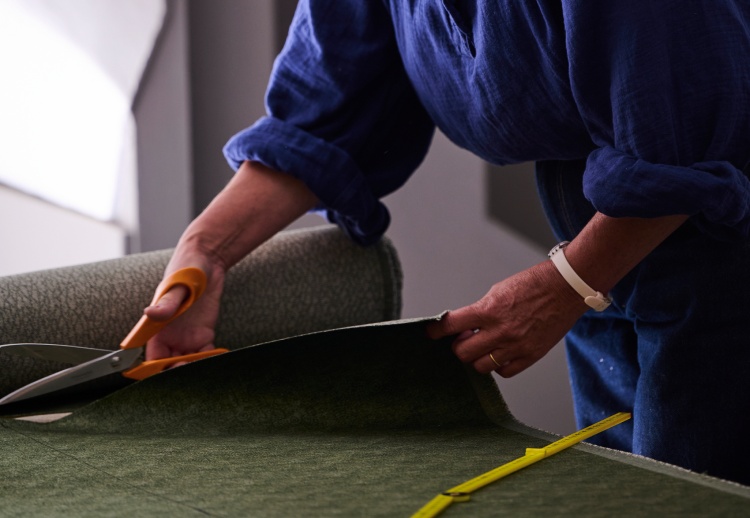
At the Royal Ballet and Opera, audiences experience the finished performance. What they do not see are the months of preparation that make it possible: rehearsals and daily practice, costume and prop making, technical production and countless specialist skills working behind the scenes.
As Sophie put it, there is "a whole village of people" behind every production.
The same observation applies just as readily to furniture making, ceramics and interior design. "The customer or the audience member always sees the performance or the piece," said Ricky, "whereas we're a bit more fascinated by the rehearsal."
A finished sofa may appear effortless, but behind it sit hundreds of decisions - from comfort and proportion to upholstery, finishing and detail. Likewise, a beautifully resolved interior rarely begins with a single stroke of inspiration. More often, it is shaped through countless conversations, revisions and decisions that remain invisible once the project is complete.
In many ways, it is this appreciation for process that sits at the heart of our partnership with Royal Ballet and Opera. The Making, the first collaborative campaign in the partnership, celebrates the people behind extraordinary work and the dedication required to bring ideas to life. Whether on a stage, in a workshop or within an interior scheme, excellence is often built long before anyone sees the finished result.
Defining what you stand for
Towards the end of the discussion, attention turned to brand identity - a subject that resonated with many of the designers in the room.
How do organisations define what they stand for? How do they communicate it? And how do they remain true to it over time?
Drawing on perspectives from the Royal Ballet and Opera, Feldspar and Sofas & Stuff, the discussion explored the idea that the strongest brands are rarely built around products alone. Instead, they are shaped by a clear point of view, shared values and stories that people connect with over time, expressed consistently through every interaction and experience. For interior designers, many of whom are building businesses as well as creating homes, it was a timely reminder that reputation is built through what you do as much as what you say.
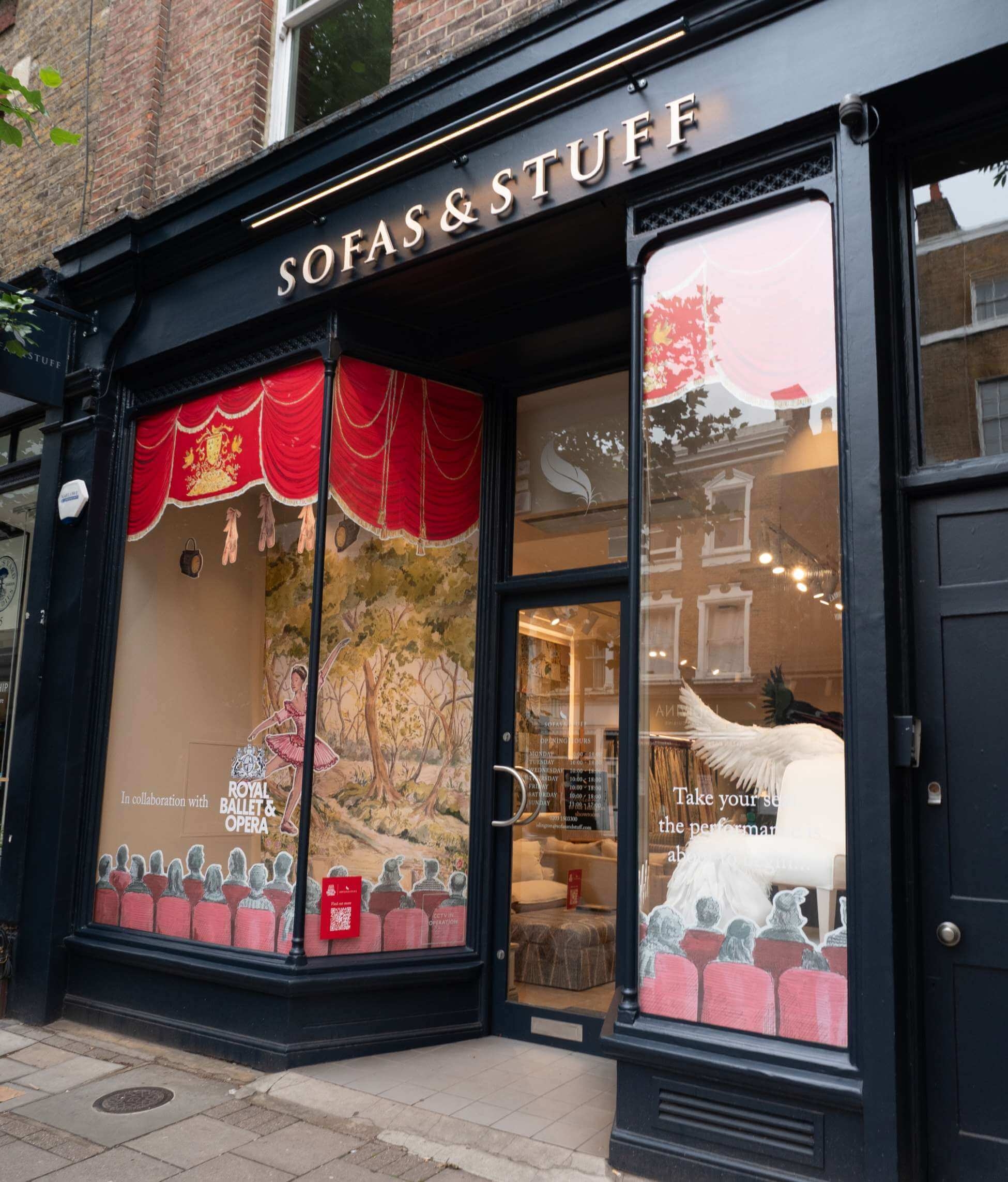
As our Islington showroom begins its life on Upper Street, it felt fitting that one of its first events should focus on the ideas, people and processes behind exceptional creative work.
The discussion may have begun with perfection, but it repeatedly returned to what happens long before the finished result. The rehearsal before the performance. The work behind the piece. The many people, decisions and refinements that remain largely invisible once the work is complete.
Whether in ballet, ceramics, furniture making or interior design, it was a reminder that the work we admire is often shaped long before anyone sees it.
Continue exploring
Discover The Upholstery - our trade membership for interior designers and specifiers. Learn more about The Making and our partnership with the Royal Ballet and Opera.


